Top Misconceptions About Pressure Washing Debunked


Understanding Pressure Washing
Pressure washing is a popular method for cleaning various surfaces, but there are numerous misconceptions surrounding it. Many people have misguided beliefs about its effectiveness, application, and safety. In this post, we'll uncover the truth behind some of the most common myths.
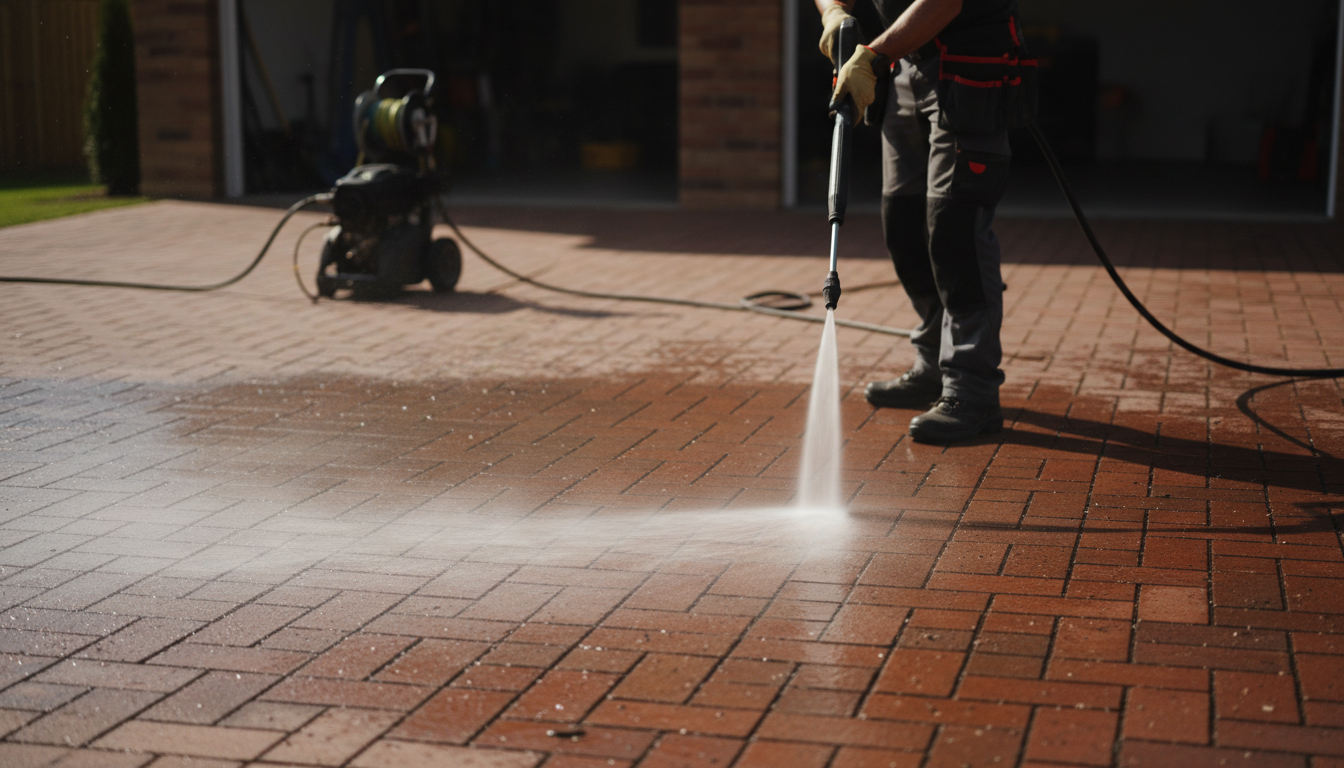
Myth 1: Pressure Washing is Only for Large Surfaces
One of the biggest misconceptions is that pressure washing is only suitable for large surfaces like driveways or patios. In reality, pressure washing can be used on a variety of surfaces, including decks, siding, and even outdoor furniture. The key is to adjust the pressure settings and use the appropriate nozzle for the task.
Pressure washing can be incredibly versatile. Whether you need to clean a small garden path or a vast commercial building, it can handle both with ease, provided the correct techniques are used.
Myth 2: Pressure Washing Damages Surfaces
Another common belief is that pressure washing can damage surfaces. While it's true that using the wrong pressure setting can cause harm, professional pressure washers are trained to assess each surface and adjust accordingly. When done properly, pressure washing is safe and effective.
For delicate surfaces, like wood or painted areas, using a lower pressure setting with a broader spray pattern is essential. This ensures that the material is cleaned without causing any harm.
Myth 3: It's a DIY Job
Many homeowners think pressure washing is a straightforward DIY task. While it might seem simple, improper use can lead to injuries or damage. Professional pressure washing services are equipped with the expertise and equipment to perform the job safely and efficiently.
Hiring a professional not only guarantees a thorough cleaning but also ensures safety standards are met. Professionals know how to handle the equipment and can identify the correct pressure and cleaning solutions for each specific task.
Myth 4: Pressure Washing Uses Too Much Water
There's a misconception that pressure washing wastes a lot of water. However, it actually uses less water than a typical garden hose. The high-pressure system allows for efficient cleaning, minimizing water usage while maximizing results.
By combining pressure and flow, pressure washers clean surfaces more effectively, reducing the time and water needed for the task. This makes it an environmentally friendly option for maintaining cleanliness outdoors.
Conclusion
Understanding the facts about pressure washing can help you make informed decisions about maintaining your property. It's a versatile, safe, and efficient method when done correctly. Don't let misconceptions deter you from reaping the benefits of pressure washing. Whether you choose to do it yourself or hire a professional, knowing the truth will ensure the job is done right.