The Ultimate Guide to Paver Sealing in Central Florida


Why Seal Your Pavers?
Paver sealing is an essential step for maintaining the beauty and longevity of your outdoor spaces. In Central Florida, the climate can be tough on pavers, with intense sun, frequent rain, and humidity. Sealing your pavers not only enhances their appearance but also protects them from the elements, preventing cracks, fading, and weed growth.

Benefits of Paver Sealing
Sealing your pavers offers a multitude of benefits. First and foremost, it provides a protective layer against stains from oil, grease, and other substances. Additionally, sealing enhances the color of the pavers, giving them a vibrant and polished look. This process also helps in reducing the growth of mold and mildew, which can be common in humid climates.
Increased Durability
One of the key advantages of paver sealing is the increased durability. By sealing the surface, you are effectively preventing water intrusion, which can cause erosion and weakening over time. This ensures that your investment lasts longer and maintains its structural integrity.
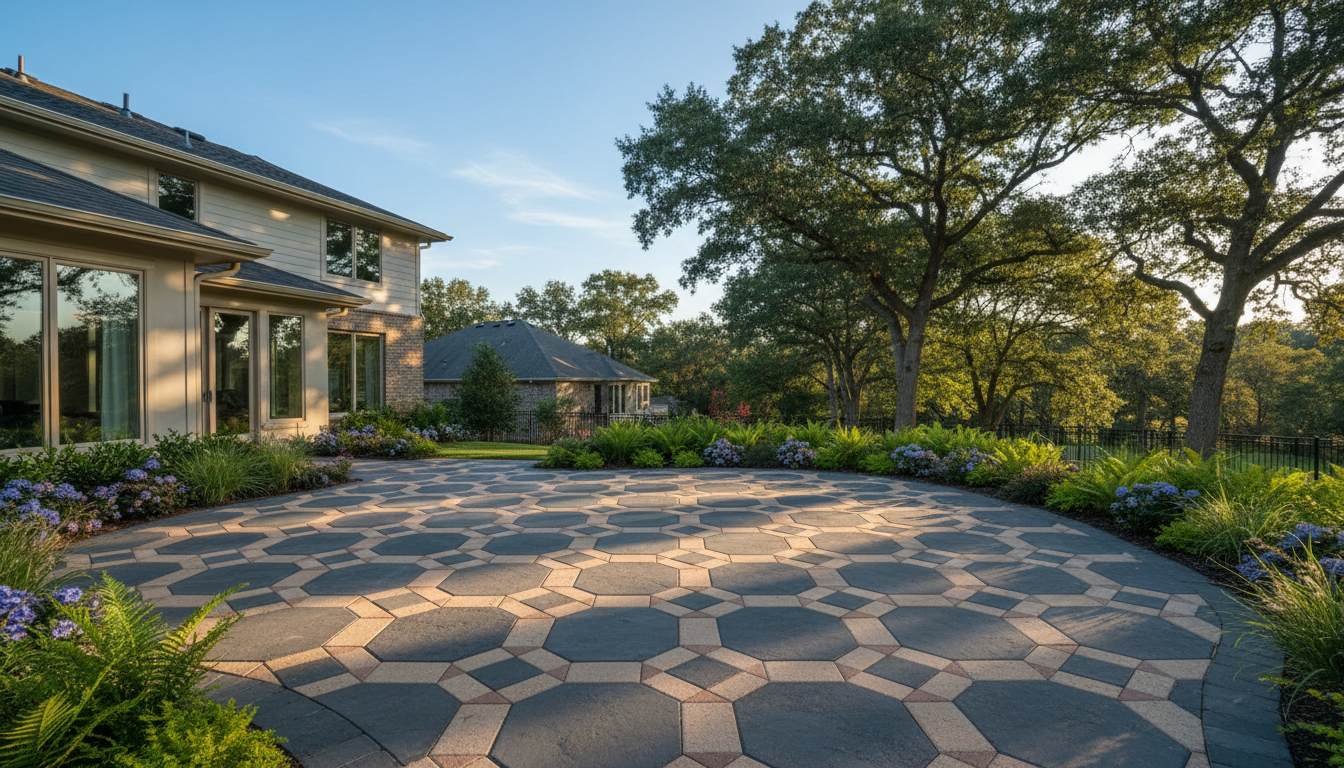
When to Seal Your Pavers
Timing is crucial when it comes to sealing pavers. It's best to seal them after installation, once they have settled. For existing pavers, sealing should be done every 2-3 years to maintain optimal protection. The best time to seal pavers is during dry weather, ensuring that the sealant adheres properly without interference from rain.
Signs It's Time to Reseal
If you notice fading colors, increased weed growth, or water no longer beading on the surface, it’s likely time to reseal your pavers. Regular inspection can help catch these signs early, allowing you to maintain the look and functionality of your outdoor spaces.

Choosing the Right Sealant
The success of your paver sealing project heavily relies on choosing the right type of sealant. There are various options available, such as water-based, solvent-based, and acrylic sealants. Each has its own set of benefits, so consider factors like appearance, durability, and environmental impact when making your selection.
Professional vs. DIY Sealing
While DIY sealing is an option, hiring professionals can ensure a flawless finish. Professionals have the right tools and expertise to apply the sealant evenly and effectively, saving you time and potential headaches. However, if you choose to go the DIY route, be sure to follow the manufacturer's instructions carefully.
Maintaining Sealed Pavers
Once your pavers are sealed, maintenance is relatively straightforward. Regular cleaning with a mild detergent and water can keep them looking fresh. Avoid using harsh chemicals or power washing, as these can strip the sealant. Keeping the surface free from debris will also help extend the life of the sealant.
Conclusion
Paver sealing is a worthwhile investment for any Central Florida homeowner looking to enhance and protect their outdoor spaces. By understanding the benefits, timing, and maintenance involved, you can enjoy beautiful, long-lasting pavers that withstand the test of time and weather.